مقدمة
في عمليات التعدين الحديثة، تعد شبكات الاتصال المستقرة وعالية السرعة ضرورية للمراقبة الآمنة والأتمتة ونقل البيانات. ومع ذلك، فإن المناجم تحت الأرض تقدم ظروفًا قاسية للغاية مثل الرطوبة والغبار والإجهاد الميكانيكي وتلف القوارض.
كابل الألياف الضوئية MGXTSV مصمم خصيصًا لمواجهة هذه التحديات. بفضل هيكله المدرع وغلافه المقاوم للهب وأدائه الميكانيكي الممتاز، أصبح كابل MGXTSV خيارًا مفضلاً لأنظمة الاتصالات في المناجم تحت الأرض.
تستكشف هذه المقالة هيكل وميزات ومزايا وتطبيقات كابل الألياف الضوئية MGXTSV النموذجية.
ما هو كابل الألياف الضوئية MGXTSV
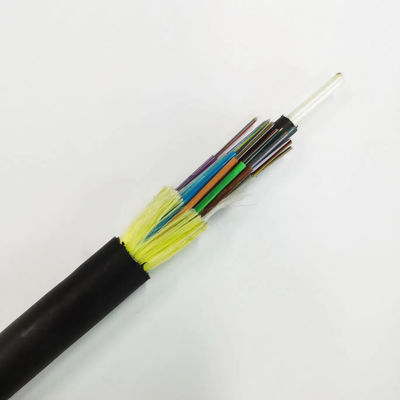
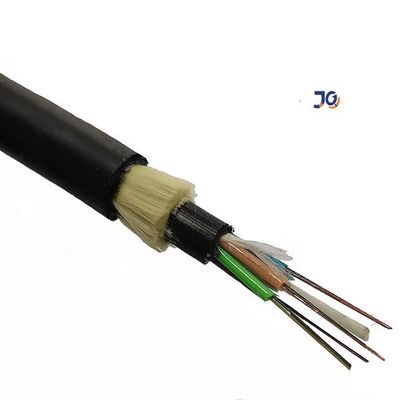
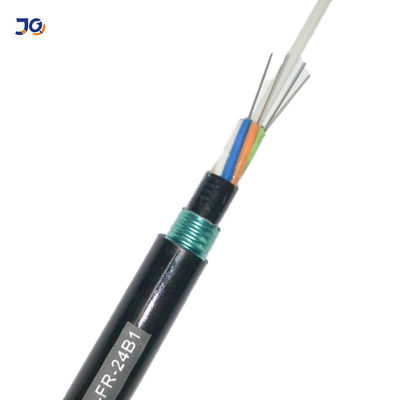
كابل الألياف الضوئية MGXTSV هوكابل ألياف ضوئية مدرع مقاوم للهب للمناجم مصمم لمناجم الفحم تحت الأرض والبيئات الخطرة الأخرى. تم بناؤه بـتدريع سلكي فولاذي وهيكل مقوى، مما يضمن نقل بيانات موثوق به حتى تحت الضغط الميكانيكي الشديد والظروف البيئية المعقدة.
يحتوي الكابل عادةً علىألياف ضوئية أحادية الوضع (G652D أو G657A1) موضوعة في أنبوب فضفاض مملوء بمركب مانع لتسرب الماء لحماية الألياف من الرطوبة والأضرار الميكانيكية.
الهيكل النموذجي لكابل MGXTSV
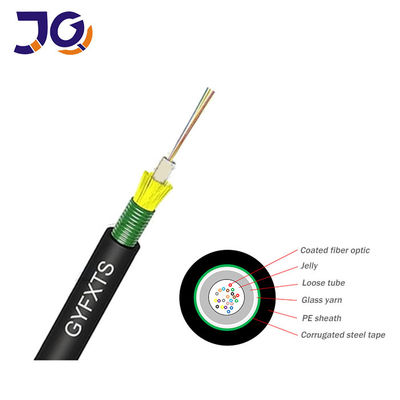
يتكون كابل MGXTSV القياسي عادةً من الطبقات التالية:
- ألياف ضوئية (أحادية الوضع أو متعددة الأوضاع)
- أنبوب PBT فضفاض مملوء بالجل
- خيط أو شريط مانع لتسرب الماء
- تدريع سلكي فولاذي
- غلاف خارجي مقاوم للهب
يضمن هذا التصميم القوي كلاً منالقوة الميكانيكية والحماية البيئية.
الميزات الرئيسية لكابل الألياف الضوئية MGXTSV
1. مقاومة اللهب لسلامة المناجم
غالبًا ما تحتوي بيئات المناجم على غازات وغبار قابل للاشتعال. تُصنع كابلات MGXTSV بـأغلفة خارجية مقاومة للهب، تلبي معايير سلامة المناجم وتقلل من مخاطر الحرائق.
2. هيكل مدرع بسلك فولاذي
يتميز الكابل بـتدريع سلكي فولاذي، والذي يوفر مقاومة ممتازة للضغط والصدمات والقوى الميكانيكية الخارجية. هذا يجعل الكابل مناسبًا للأنفاق تحت الأرض وظروف التركيب القاسية.
3. مقاومة ممتازة للرطوبة والماء
يتم ملء الأنبوب الفضفاض بـجل مانع لتسرب الماء، وتمنع مواد إضافية مانعة لتسرب الماء اختراق الرطوبة. هذا يضمن أداءً بصريًا مستقرًا حتى في البيئات الرطبة أو المعرضة للماء.
4. مقاومة قوية للقوارض والتآكل
غالبًا ما تواجه التركيبات تحت الأرض تلفًا من القوارض وأسطحًا كاشطة. يعزز الهيكل المدرع بشكل كبيرمقاومة القوارض والمتانة.
5. نقل بصري مستقر
يدعم كابل الألياف الضوئية MGXTSVتوهينًا منخفضًا وعرض نطاق ترددي عاليًا، مما يجعله مناسبًا لنقل البيانات لمسافات طويلة وأنظمة المراقبة في الوقت الفعلي.
مزايا كابل MGXTSV البصري في شبكات المناجم
تتطلب شبكات الاتصالات في المناجم كابلات يمكنها تحملالظروف القاسية مع الحفاظ على اتصال موثوق به. توفر كابلات MGXTSV العديد من المزايا:
- قوة شد وضغط عالية
- عمر خدمة طويل في البيئات القاسية
- مقاومة عالية للأضرار الميكانيكية
- نقل إشارة موثوق به
- سلامة معززة بمواد مقاومة للهب
هذه الخصائص تجعل كابلات MGXTSV مثالية لـالبنية التحتية الحيوية للمناجم.
التطبيقات الشائعة لكابل الألياف الضوئية MGXTSV
تُستخدم كابلات MGXTSV على نطاق واسع في البيئات تحت الأرض والصناعية حيث تكون المتانة والسلامة ضرورية.
مناجم الفحم تحت الأرض
تُركب كابلات MGXTSV بشكل شائع فيأنفاق مناجم الفحم لدعم شبكات الاتصالات وأنظمة المراقبة وخطوط الاتصالات للطوارئ.
أنظمة مراقبة المناجم
تُستخدم في الأنظمة التي تنقل البيانات من:
- أجهزة استشعار الكشف عن الغاز
- معدات مراقبة البيئة
- كاميرات المراقبة بالفيديو
- أنظمة التحكم الآلي
الاتصالات الصناعية تحت الأرض
بالإضافة إلى التعدين، يمكن أيضًا استخدام كابلات MGXTSV فيالأنفاق الصناعية وأنظمة النقل تحت الأرض والبيئات الصناعية القاسية.
شبكات السلامة والتحكم في المناجم
الاتصالات الموثوقة بالألياف الضوئية ضرورية لـأنظمة المراقبة في الوقت الفعلي والاستجابة للطوارئ في عمليات التعدين.
طرق التركيب
يمكن تركيب كابلات الألياف الضوئية MGXTSV باستخدام عدة طرق اعتمادًا على البنية التحتية للمنجم:
- تركيب على جدار النفق
- صواني الكابلات في الممرات تحت الأرض
- تثبيت مباشر على طول آبار المناجم
- تركيب في قناة واقية
يضمن التركيب الصحيح العمر الافتراضي والأداء الأمثل للكابل.
كيفية اختيار كابل MGXTSV المناسب
عند اختيار كابل الألياف الضوئية MGXTSV لمشروع تعدين، ضع في اعتبارك العوامل التالية:
- نوع الألياف (G652D أو G657A1)
- عدد الألياف (عادةً 12، 24، 48، 96 نواة)
- قوة الشد المطلوبة
- شهادة مقاومة اللهب
- بيئة التركيب
يضمن اختيار المواصفات الصحيحة أن الكابل يلبي كلاً منمتطلبات الأداء والسلامة.
خاتمة
كابل الألياف الضوئية MGXTSV هوكابل تعدين مدرع عالي الأداء مصمم لشبكات الاتصالات تحت الأرض. بفضل غلافه المقاوم للهب وتدريعه السلكي الفولاذي ومقاومته البيئية الممتازة، فإنه يوفر اتصالاً موثوقًا به في بعض البيئات الصناعية الأكثر تحديًا.
مع تزايد اعتماد عمليات التعدين على المراقبة الرقمية والأتمتة ونقل البيانات عالي السرعة، يلعب كابل MGXTSV البصري دورًا حيويًا في بناءأنظمة اتصالات تحت الأرض آمنة ومستقرة وفعالة.


 يجب أن تكون رسالتك بين 20-3000 حرف!